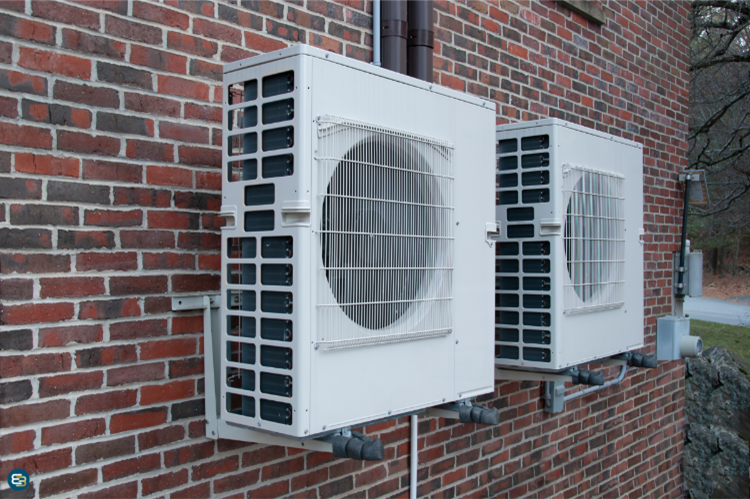
E3 supports gas utilities, regulators, and states planning a gas system under emissions mandates and changing demand. We build the clean heat and greenhouse gas reduction portfolios utilities file with their commissions, evaluate non-pipeline alternatives, support the development of new integrated planning practices, forecast long-run gas demand and identify long-term impacts on revenue requirements and rates.
Over the course of more than a decade of gas system decarbonization analysis, we have identified that there is no silver bullet that can ensure a future gas system that is safe, reliable, affordable, and decarbonized. Our work identifies that the lowest-cost plans combine demand-side management, electrification, and renewable fuels. We capture real-world constraints, ranging from customer decision-making and choice with respect to their heating sources, to the technological limitations of renewable fuels. We present our analyses in an objective, fact-based manner that stands up scrutiny within contentious regulatory processes.
As utilities are increasingly asked to develop coordinated gas and electric planning processes, E3 has helped our clients design and implement new analytical and planning processes to meet new regulatory requirements. We have developed methods to rank gas infrastructure for NPA suitability across a service territory covering project types ranging from main and service replacements to large LNG storage and other reliability projects. Our analysis captures factors such as avoided pipeline costs, incremental electric infrastructure needs, customer electrification costs, and the feasibility of achieving an NPA considering factors like customer willingness to adopt electric technologies.
E3 translates our decarbonization and NPA portfolios into long-term forecasts of gas utility revenue requirements and rates. We identify long-term challenges associated with supporting gas system costs in the context of declining demand and develop strategies to manage cost challenges over near-, mid- and long-term horizons.









 Ari Gold-Parker
 Dan Aas